%2Ffit-in%2F250x250%2Fguide_websites%2F14909%2Fimages%2F1713571611725image58.png&w=1920&q=100)
/users/7f994fd9-d533-49d0-968d-03896d8355ea/ratecard/493397545_2677698872429245_7699048987068706188_n-misj3y5t.jpg)
%2F300x300%2Fusers%2F7f994fd9-d533-49d0-968d-03896d8355ea%2Fratecard%2F493397545_2677698872429245_7699048987068706188_n-misj3y5t.jpg&w=256&q=75)
%2F300x300%2Fusers%2F7f994fd9-d533-49d0-968d-03896d8355ea%2Fimages%2Ffishing-fun-port-aransas-2451.png&w=256&q=75)
%2F300x300%2Fusers%2F7f994fd9-d533-49d0-968d-03896d8355ea%2Fimages%2Fredfish-port-aransas-fishing-2462.png&w=256&q=75)
%2F300x300%2Fusers%2F7f994fd9-d533-49d0-968d-03896d8355ea%2Fimages%2Fscenic-fishing-tx-2318.png&w=256&q=75)
%2F300x300%2Fusers%2F7f994fd9-d533-49d0-968d-03896d8355ea%2Fimages%2Fpicturesque-port-aransas-shoreline-2380.png&w=256&q=75)
%2F300x300%2Fusers%2F7f994fd9-d533-49d0-968d-03896d8355ea%2Fimages%2Fanglers-reel-huge-catch-port-2515.png&w=256&q=75)
%2F300x300%2Fusers%2F7f994fd9-d533-49d0-968d-03896d8355ea%2Fimages%2Ffishing-success-in-tx-2437.png&w=256&q=75)
Port Aransas Half-Day Offshore Fishing Adventure
 Port O'Connor, TX, USA
What you will be catching:
 Cobia
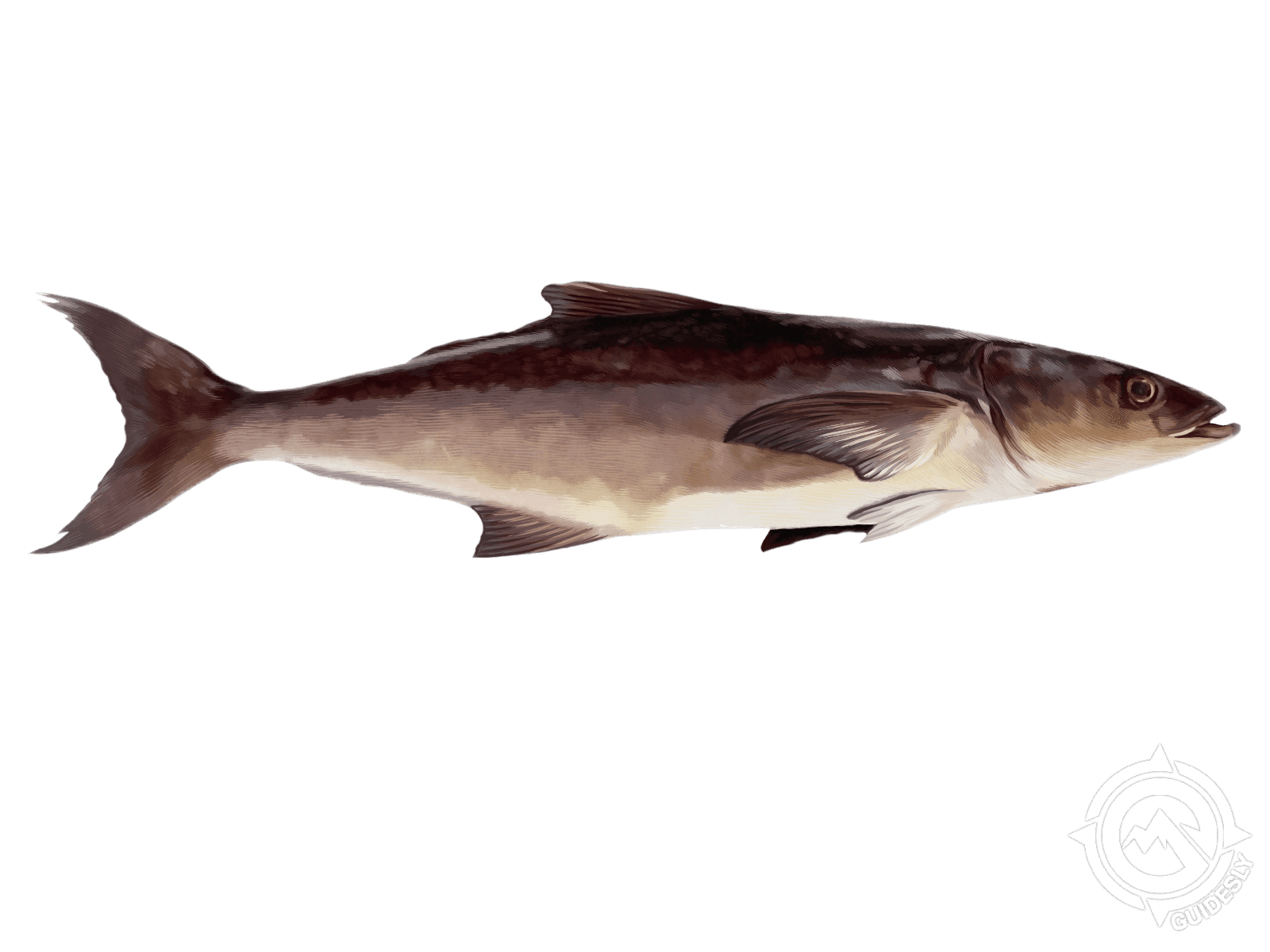
Cobia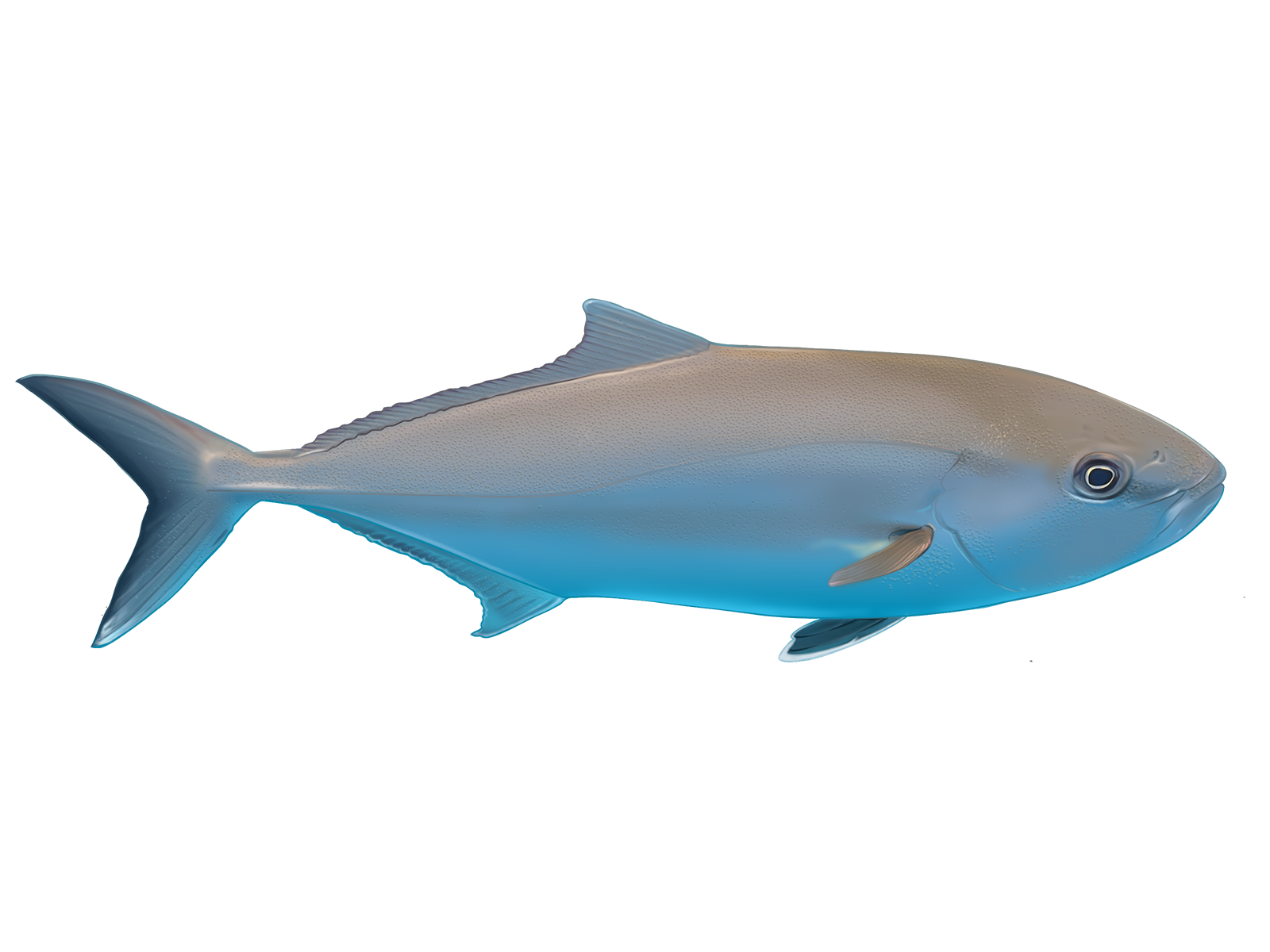 Greater Amberjack
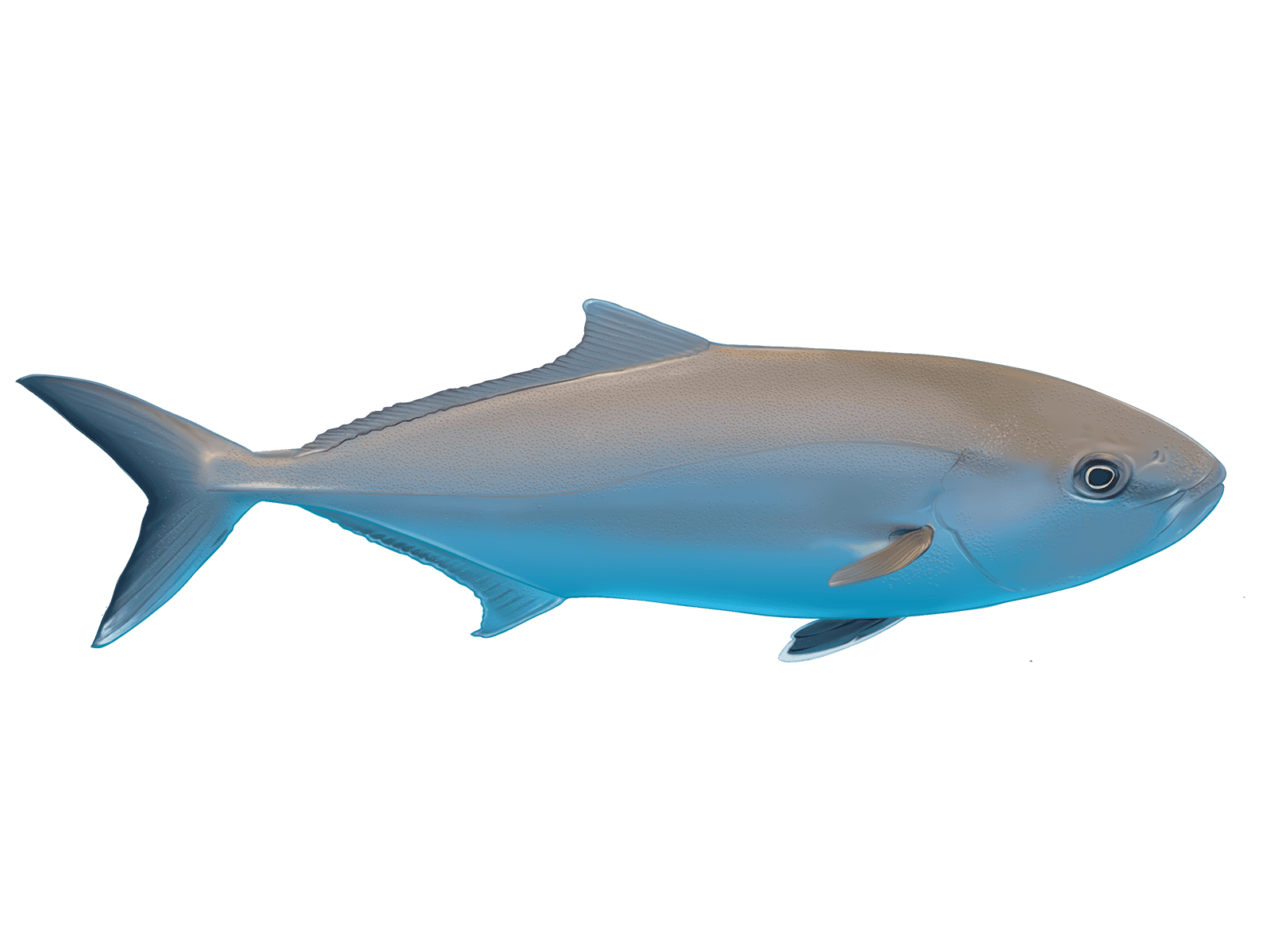
 King Mackerel
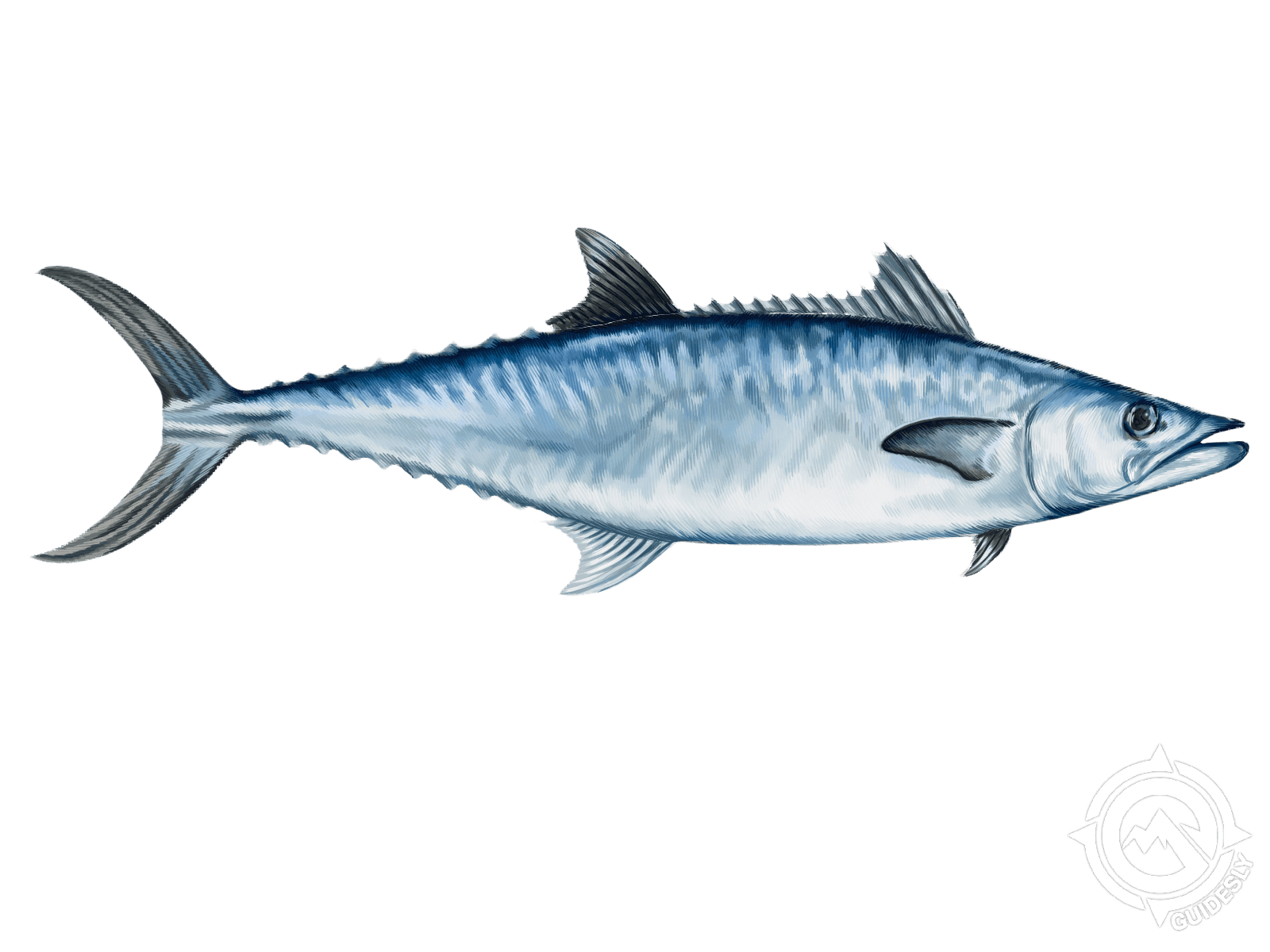
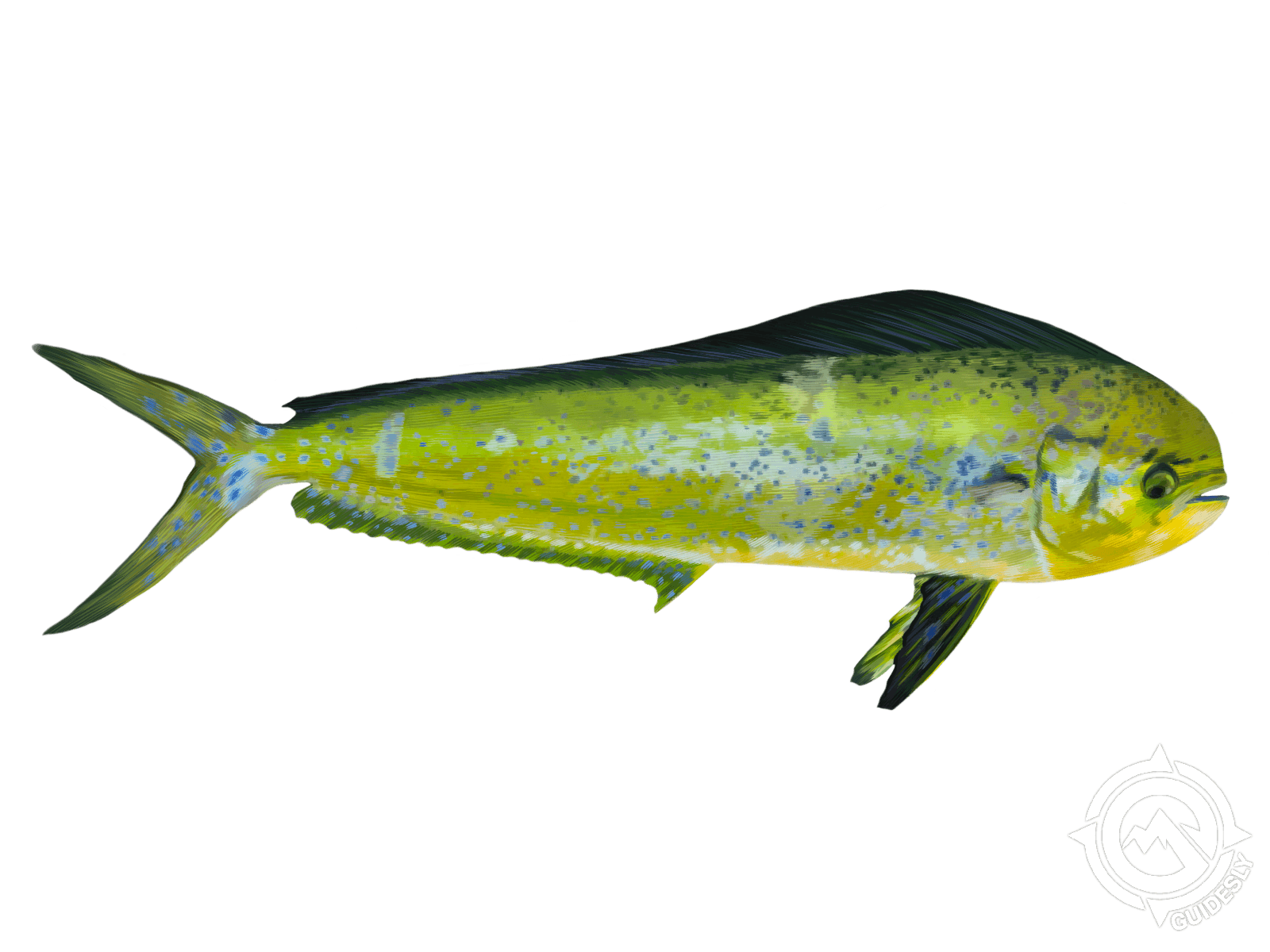
 Mahi Mahi or Common Dolphinfish
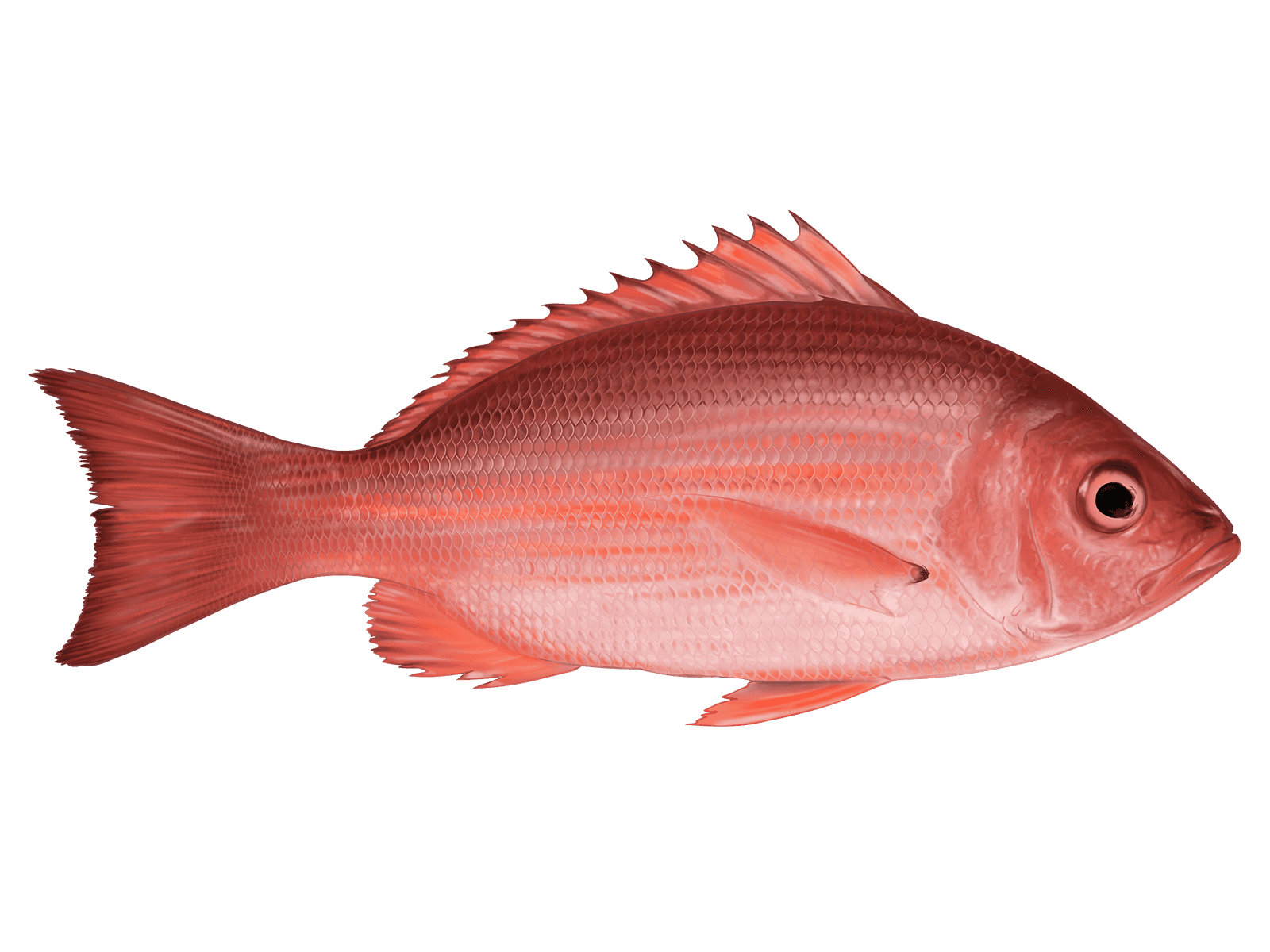
 Red Snapper
- Four-hour Gulf of Mexico offshore fishing excursion targeting cobia and amberjack
- Accommodates up to four guests with all equipment and instruction provided
- Expert captain guidance to prime fishing locations off Port Aransas
Trip Pricing and Availabilities:
Half Day Fishing Trip: Port A's Offshore Bounty
Ready to trade the Texas heat for some salty sea air and monster fish? Our half-day trip out of Port Aransas is your ticket to offshore action. We're talking about hooking into hard-fighting cobia, bruiser amberjacks, and a whole menu of other Gulf species. Whether you're a seasoned salt or just getting your sea legs, our experienced captain will put you on the fish and make sure you have a blast doing it. So grab your hat and sunscreen - it's time to see why Port A is a top-rated fishing destination!
What to Expect on the Water
Our 4-hour trips kick off bright and early from the Port A marina. We'll cruise past the jetties and into the open Gulf, where the real fun begins. The captain knows these waters like the back of his hand, so we'll hit several productive spots to maximize your chances. You might be bottom fishing over structure one minute, then switching to sight casting for cobia the next. It's all about adapting to what the fish are doing that day. We provide all the gear, bait, and know-how - you just need to bring your A-game and be ready to reel!
Techniques & Tactics
Offshore fishing in Port A is a mixed bag of techniques. We'll likely do some bottom fishing with heavy tackle and cut bait for amberjack and snapper. If we spot some cobia, get ready for some heart-pounding sight casting with big jigs or live bait. For mahi-mahi and kings, we might troll with rigged ballyhoo or artificial lures. The beauty of this trip is its versatility - we can switch things up based on what's biting. And don't worry if you're new to this - the captain will walk you through each technique and make sure you're comfortable before we start fishing.
Top Catches This Season
The Gulf has been on fire lately! Anglers have been crushing the cobia, with several fish in the 30-40 pound range coming over the rails. The amberjack bite has been steady too, providing some serious pull for anyone looking for a workout. Red snapper season has been producing limits of tasty fillets, and we've even had a few surprise wahoo show up to spice things up. Remember, every trip is different, but that's what makes fishing so exciting!
Species You'll Want to Hook
King Mackerel: These speedsters are the drag-screamers of the Gulf. Kings can top 50 pounds and make blistering runs that'll have your reel singing. They're most active in the warmer months and love to chase fast-moving baits. Landing a big king is always a highlight of any trip - just watch those teeth when you're unhooking them!
Mahi Mahi: Also known as dorado or dolphinfish, mahi are the acrobats of the offshore world. They're known for their spectacular aerial displays and vibrant colors. We usually find them around floating debris or weedlines. Mahi are great eating and super fun to catch on light tackle. Peak season is summer through early fall, but we can find them year-round in the right conditions.
Greater Amberjack: If you want a true test of strength, look no further than the AJ. These bruisers hang around deep structure and will do their best to drag you back to the bottom. They're nicknamed "reef donkeys" for a reason! The fight is half the fun, but they're also excellent table fare. We target them year-round, with peak action in the cooler months.
Cobia: Also called ling or lemonfish, cobia are one of the most sought-after species in the Gulf. They're curious fish that often swim right up to the boat, giving us a chance for some exciting sight fishing. Cobia put up a great fight and are absolutely delicious. We see them most often from spring through fall, with peak action in the summer months.
Red Snapper: The Gulf's most famous bottom dweller, red snapper are prized for both their fight and their flavor. They love structure and can grow to impressive sizes. Snapper fishing requires finesse and the right bait presentation. The season is strictly regulated, but when it's open, it's some of the best fishing you'll find anywhere in the Gulf.
Why Anglers Keep Coming Back
Port Aransas isn't just another fishing town - it's a angler's paradise. The variety of species you can catch here is mind-blowing, from hard-fighting pelagics to tasty bottom fish. Our half-day trips give you a perfect taste of what Port A has to offer without taking up your whole day. Plus, our experienced crew knows how to put you on the fish and make sure you're having a good time doing it. Whether you're looking to fill the cooler or just want the thrill of the catch, we've got you covered. And let's be honest - there's nothing like that feeling when your rod doubles over and line starts peeling off the reel!
Time to Book Your Spot
Ready to experience some of the best fishing the Gulf Coast has to offer? Our half-day trips out of Port Aransas are the perfect way to get in on the action. Whether you're a serious angler or just looking for a fun day on the water with family and friends, we've got you covered. Remember, we're limited to 4 guests per trip, so don't wait to book your spot. The fish are biting, and we're ready to put you on them. Give us a call or book online today - your Port A fishing adventure is waiting!
Learn more about the species
Cobia
Cobia, also called ling, are one of Port Aransas's most unique gamefish. These curious, powerful fish average 20-40 pounds but can reach over 100. You'll often spot them near the surface around structures like buoys, wrecks, or even sea turtles. Cobia are known for their strange behavior – they'll sometimes follow boats or even shadow sharks. Peak season is typically April through September. Anglers love cobia for their hard fights and excellent table fare. To catch one, sight-cast with live eels, crabs, or large jigs. A local trick: if you see a cobia, get a bait in front of it fast – they're not shy about striking. These fish can make blistering runs and even jump occasionally. Cobia meat is firm and white, great for grilling or blackening. While they're not as common as some other species, hooking into a big cobia is always a highlight of any Port A fishing trip.
Greater Amberjack
Greater Amberjack are the powerhouses of Port Aransas reefs. These bruisers average 30-50 pounds but can top 100. You'll find them around deep structure like wrecks and oil rigs, usually in 60-250 feet of water. AJs are notorious for their bulldog fighting style – once hooked, they'll dive for cover and test every inch of your tackle. Peak season is typically March through May, but we catch them year-round. Anglers love AJs for the pure strength challenge and their tasty white meat. To land one, drop heavy jigs or live bait near structure. A local secret: use a butterfly jig and "yo-yo" it up and down – the erratic action drives them wild. Be ready for a workout though – these fish don't give up easy. While there are some harvest restrictions, Greater Amberjack offer an unforgettable battle for any angler looking to test their mettle against one of the Gulf's toughest customers.
King Mackerel
King Mackerel are a prized catch in Port Aransas. These sleek, powerful fish typically run 20-40 pounds but can reach over 90. Look for them in waters 40-150 feet deep, often near reefs or structures. They're speed demons, known for blistering runs that'll test your gear. Kings migrate through our area spring and fall, with peak season from May to October. Anglers love targeting them for their explosive strikes and acrobatic fights. To hook one, try trolling with large spoons or live bait like mullet or blue runners. A local trick: use wire leaders to prevent bite-offs from their razor-sharp teeth. Kings make great eating too, with firm, flavorful meat that's excellent grilled or smoked. Just be mindful of mercury levels in larger fish. Whether you're after a trophy or a tasty dinner, King Mackerel offer an exciting challenge for any angler visiting Port A.
Mahi Mahi or Common Dolphinfish
Mahi Mahi are a favorite among Port Aransas anglers for good reason. These colorful fighters average 15-30 pounds but can top 50. You'll find them in the warmer months, typically in waters over 70°F near floating debris or weed lines. Mahi are known for their acrobatic leaps and powerful runs – hook one and you're in for a show. They're also some of the best-eating fish in the Gulf, with firm white meat that's great for grilling or searing. We usually target them by trolling with ballyhoo or artificials, but sight-casting to schools can be a blast too. A local tip: if you spot one, get a bait in the water fast. Where there's one mahi, there's often more. These fish grow and reproduce quickly, making them a sustainable choice. Whether you're after a trophy bull or just want to fill the cooler with tasty fillets, mahi mahi are hard to beat.
Red Snapper
Red Snapper are the crown jewels of Port Aransas bottom fishing. These tasty fighters average 5-15 pounds but can reach over 30. You'll find them around reefs and rocky bottoms, usually in 60-300 feet of water. Snappers are known for their powerful initial run – they'll try to dive back into structure, so you need to turn them quick. Peak season is typically June and July during the short federal season, but we can target them year-round in state waters. Anglers love Red Snapper for their hard fights and world-class eating quality. To catch one, drop cut bait or live pinfish to the bottom. A local tip: use circle hooks to improve hook-ups and make releasing undersized fish easier. The meat is mild and flaky, perfect for almost any preparation. While regulations can be strict, Red Snapper are a must-catch for any Gulf angler looking for quality over quantity.
About the Cabin Cruisers
%2F%2Fusers%2F7f994fd9-d533-49d0-968d-03896d8355ea%2Fvehicle_picture%2Fimage57.png&w=1920&q=75)
Vehicle Guest Capacity: 4
Manufacturer Name: Yamaha v6
Maximum Cruising Speed: 40
Number of Engines: 2
Horsepower per Engine: 250
Ready for some offshore action in Port Aransas? Our 4-hour fishing trip takes you out into the Gulf of Mexico where the big ones are biting. We'll be targeting species like cobia, amberjack, and whatever else is running that day. Our seasoned captain knows all the prime spots to maximize your chances of hooking into something impressive. Whether you're an old pro or it's your first time wetting a line, we'll make sure you have a great time out on the water. With room for up to 4 guests, it's perfect for a small group or family outing. Gear up and join us for a fun-filled morning or afternoon of Gulf Coast fishing. Who knows - you might just reel in the catch of a lifetime! Book your spot and get ready for some quality time on the high seas of Texas.